
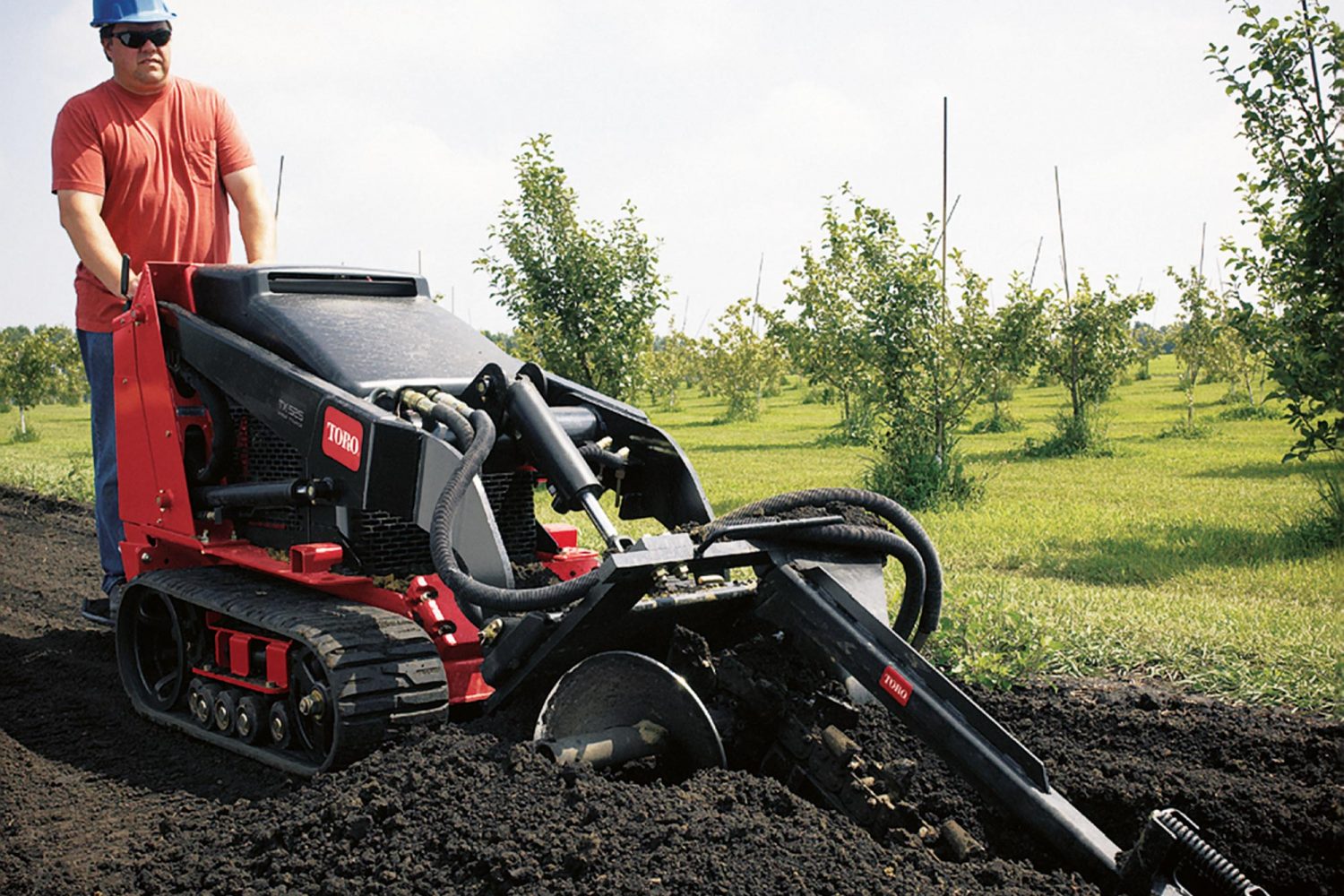
The Toro Dingo is a compact utility loader known for its versatility, power, and efficiency. It’s a popular choice among landscapers, contractors, and agricultural professionals. However, one of the most important considerations when investing in a Toro Dingo is its cost. In this article, we will explore how much a Toro Dingo typically costs, what factors affect its pricing, and how to make an informed purchase decision.
Back to Base-ics
The cost of a Toro Dingo can vary significantly based on the model, specifications, and additional features. As of 2024, here are some approximate base prices for popular Toro Dingo models:
| Dingo TX 427 | $25,000 – $30,000 |
| Dingo TX 525 | $28,000 – $35,000 |
| Dingo TX 1000 | $35,000 – $45,000 |
| Dingo TXL 2000 | $70,000 – $85,000 |
These prices are for new models; while used Toro Dingos maintain their value better than many of its competitors, they can be found at lower prices. This will, of course, vary depending on condition and usage history.
What Affects the Cost?
Several factors can influence the price of a Toro Dingo. Understanding these factors can help you make an informed decision and find the best value for your investment.
1. Model and Specifications
The specific model of the Toro Dingo greatly impacts its price. Models with more advanced features, higher lifting capacities, and enhanced performance capabilities typically cost more. For example, the TXL 2000 is more expensive than the TX 427 due to its increased power and capabilities.
2. Engine Type
Toro Dingo models come with different engine types, including gas, diesel, and electric options. Diesel engines often cost more upfront but can offer better fuel efficiency and longevity, which might be more cost-effective in the long run. Electric models, while typically more expensive initially, provide eco-friendly benefits and lower operating costs.
3. Attachments and Accessories
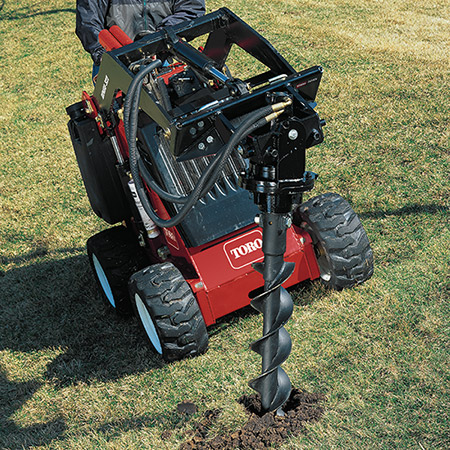
One of the key benefits of the Toro Dingo is its versatility, which is achieved through various attachments and accessories. These attachments, such as augers, buckets, trenchers, and forks, can add to the overall cost. When budgeting, consider the attachments you will need for your specific tasks and factor in their costs.
4. New vs. Used
Purchasing a used Toro Dingo can significantly reduce the initial cost. However, it’s important to carefully inspect the condition and maintenance history of a used machine to avoid potential future repair costs. New models come with warranties and the latest features, but at a higher price.
5. Dealer and Location
The dealer you purchase from and your geographical location can also affect the price. Dealers may offer different pricing structures, financing options, and promotions. Additionally, transportation costs can vary depending on how far the dealer is from your location.
6. Customization and Special Features
Customizing your Toro Dingo with special features, such as enhanced hydraulics, improved operator controls, or additional safety features, will increase the price. These customizations can provide significant benefits tailored to your specific needs, making them a valuable investment.
Making an Informed Purchase Decision
When considering the purchase of a Toro Dingo, it’s essential to evaluate your specific needs and budget constraints. Here are some tips to help you make the best decision:
Assess Your Needs.
Determine the primary tasks you will use the Toro Dingo for and identify the essential attachments and features required. This assessment will help you choose the right model and avoid unnecessary costs.
Compare Multiple Dealers.
Shop around and compare prices from different dealers. Look for dealers that offer competitive pricing, financing options, and after-sales support. Building a good relationship with a dealer can also lead to better service and potential discounts in the future.

Consider Total Cost of Ownership.
Beyond the initial purchase price, consider the total cost of ownership, including maintenance, fuel, and attachment costs. Diesel engines, for example, might have a higher upfront cost but lower long-term fuel expenses. Electric models may reduce fuel costs entirely but may have higher upfront costs and require charging infrastructure.
Explore Financing Options.
Many dealers offer financing options that can make the purchase of a Toro Dingo more affordable. Evaluate different financing plans and choose one that fits your budget and financial goals.
Inspect Used Models Thoroughly.
If you decide to purchase a used Toro Dingo, conduct a thorough inspection or hire a professional to evaluate its condition. Check for signs of wear and tear, verify maintenance records, and ensure all attachments and features are in working order.

Conclusion: Wise Investing
The Toro Dingo is a versatile and powerful machine that can significantly enhance productivity in construction, landscaping, and agricultural projects. By understanding the factors that affect its pricing and making a well-informed purchase decision, you can maximize the value of your investment.
Whether you opt for a new or used model, carefully assessing your needs, comparing dealers, and considering the total cost of ownership will ensure that you choose the right Toro Dingo for your specific requirements. Investing in the right equipment will ultimately lead to increased efficiency, reduced costs, and improved project outcomes.