

Introduction to Buying Landscaping Tools
Landscaping projects demand precision and efficiency, and you’ll need the right set of tools to accomplish that. Whether you’re a seasoned professional or a DIY enthusiast, selecting the best tools for your landscaping endeavors can make all the difference in achieving outstanding results. In this guide, we’ll explore how to choose the right tools for your landscaping projects, ensuring that you have everything you need to bring your outdoor vision to life.
Assess Your Landscaping Needs
Before diving into the world of landscaping tools, take a moment to assess your specific project needs. Consider factors such as:
Project Scope: Determine the scale and complexity of your landscaping project. Are you tackling a small backyard makeover or a large-scale commercial property?
Terrain: Take note of the terrain you’ll be working on. Is it flat, hilly, rocky, or uneven? Understanding the landscape’s natural features will help you choose the appropriate tools.
Tasks: Identify the specific tasks you’ll need to accomplish. Will you be digging, planting, trimming, mowing, or a combination of these activities?
Budget: Set a budget for your landscaping tools and equipment. Consider both the initial investment and any ongoing maintenance costs.
Choose High-Quality Brands and Equipment
You’ll want to be investing in high-quality landscaping tools from reputable brands to ensure durability, performance, and longevity. Here are some of our favorite brands that are best known for their top quality landscaping tools:
Toro: Renowned for its innovation and reliability, Toro offers a wide range of landscaping equipment, including mowers, blowers, trimmers, and utility vehicles.
Stihl: With a reputation for producing powerful and dependable tools, Stihl offers a comprehensive lineup of chainsaws, trimmers, blowers, and handheld lawn tools.
Husqvarna: Trusted by professionals worldwide, Husqvarna manufactures a diverse range of landscaping equipment, from robotic mowers and chainsaws to trimmers and edgers.
Consider Power Source Options
When choosing landscaping tools, consider the power source options available and select the one that best suits your needs:
Gas-Powered: Gas-powered tools offer portability and unlimited runtime but produce emissions and require regular maintenance.
Electric-Powered: Electric-powered tools are quieter, eco-friendly, and require minimal maintenance. However, they are limited by cord length or battery life.
Battery-Powered: Battery-powered tools combine the convenience of electric with the portability of gas. They offer freedom of movement without the hassle of cords but may have limited runtime.
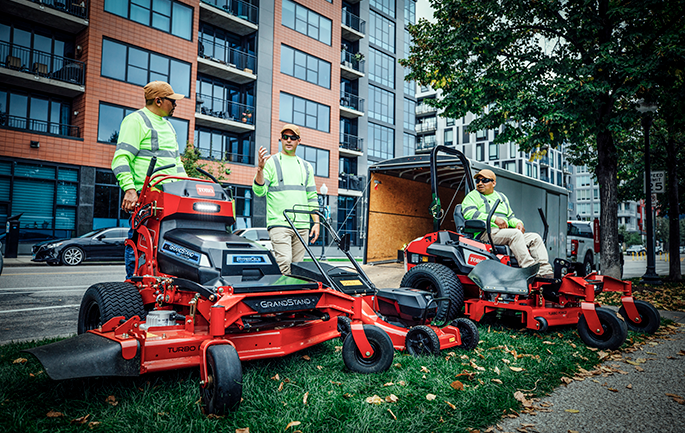
Match Tools to Specific Tasks
Different landscaping tasks require specialized tools designed for optimal performance. Here are some essential tools for common landscaping tasks:
Mowing: When choosing a lawn mower, select one that’s suited to the size and terrain of your lawn. Consider factors such as cutting width, power source, and features like mulching and bagging capabilities.
Trimming and Edging: Select a trimmer or edger for maintaining crisp, clean lines along sidewalks, driveways, and flower beds. Look for adjustable cutting angles and ergonomic designs for ease of use.
Pruning and Trimming: Invest in quality pruners, shears, and loppers for shaping and maintaining trees, shrubs, and hedges. Opt for sharp, durable blades and comfortable handles for extended use.
Digging and Planting: Choose a sturdy shovel or spade for digging holes, planting trees, and moving soil. Look for ergonomic handles and rust-resistant materials for long-term durability.
Prioritize Safety and Comfort
Safety should always be a top priority when selecting landscaping tools. Choose tools with safety features such as blade guards, hand guards, and vibration reduction systems. Additionally, prioritize comfort by selecting tools with ergonomic designs, cushioned handles, and adjustable settings to reduce strain and fatigue during extended use.
Test Before You Buy
Before making a final purchase decision, test the tools whenever possible to ensure they meet your needs and preferences. Visit local equipment dealers or rental shops to try out different models and brands. You will want to pay attention to the weight, balance, and ease of operation of each option, to be sure that you find the tools that feel right for you.
Conclusion: Choose Wisely, Work Efficiently
Selecting the best tools for your landscaping projects is an important start to achieving professional results efficiently and safely. By assessing your project needs, choosing high-quality brands and equipment, considering power source options, matching tools to specific tasks, prioritizing safety and comfort, and testing before you buy, you can ensure that you have the right tools for the job. With the right tools in hand, you’ll be well-equipped to tackle any landscaping project with confidence and precision. Check out our entire inventory of powerful landscaping equipment at www.turfstar.com