
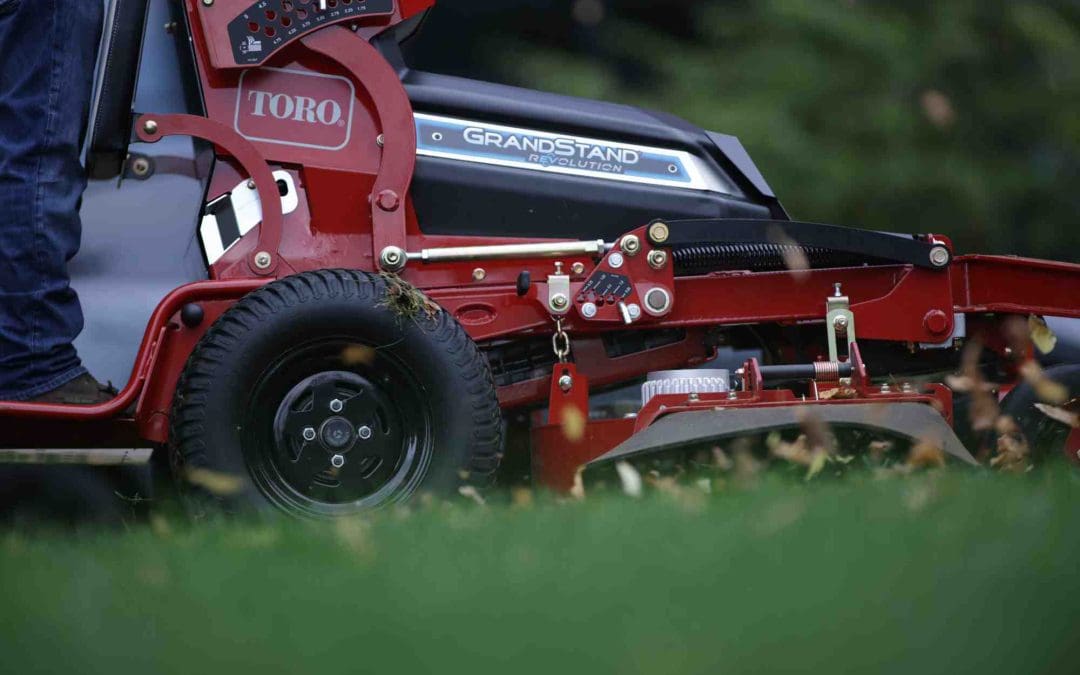
What is a Rotary Mower?
Maintaining a well-manicured lawn requires the right tools, and a rotary mower is one of the most versatile and widely used options available. A rotary mower uses a rapidly rotating horizontal blade to cut grass, making it an essential piece of equipment for homeowners and professional landscapers alike.
Rotary mowers are designed to handle a variety of lawn types and conditions. They can easily manage uneven terrain, thick grass, and a range of lawn sizes from small yards to expansive fields. Powered by gasoline engines, electric motors, or manual push mechanisms, these mowers offer flexibility to meet different needs and preferences.
Looking for a rotary mower? Check out our favorites here.
10 Ways to Maintain Your Rotary Mower
Maintaining your rotary mower is essential for ensuring its longevity and optimal performance. Regular upkeep not only keeps your mower running smoothly but also enhances its efficiency, resulting in a beautifully manicured lawn.
In this guide, we’ll share ten crucial tips and tricks to help you take care of your rotary mower. From routine cleaning and blade maintenance to proper storage and fuel management, these practices will help you get the most out of your mower and keep your lawn looking pristine season after season. Dive in to learn how to keep your mower in top-notch condition with these simple yet effective maintenance steps.
10: Regular Cleaning
Keeping your rotary mower clean is the first step in proper maintenance. Grass clippings, dirt, and debris can accumulate on the mower, causing various issues if not cleaned regularly.
How to Clean Your Mower
- After Every Use: It’s a good practice to clean your mower after each use. This prevents grass clippings from drying and sticking to the mower, which can lead to corrosion and rust.
- Under the Deck: Raise the mower and use a hose to wash out the underside of the deck. Be sure to remove any stuck-on debris with a brush or scraper.
- Exterior: Wipe down the exterior with a damp cloth to remove dust and dirt. Avoid using a high-pressure washer as it can force water into the engine or electrical components.
- Drying: After cleaning, let the mower dry completely to prevent rusting.
Frequent cleaning not only keeps your mower looking new but also helps maintain its performance by preventing build-up that can interfere with its operation.
9: Blade Maintenance
The blade is one of the most critical parts of your rotary mower. Keeping it sharp and in good condition ensures a clean, even cut, which is healthier for your lawn.
How to Maintain the Blade
- Regular Inspection: Check the blade for nicks, dents, and dullness regularly. A dull blade tears grass rather than cutting it, leading to a ragged look and increased susceptibility to diseases.
- Sharpening: Sharpen the blade at least once a season, or more often if you mow frequently. You can do this with a file, bench grinder, or by taking it to a professional.
- Balancing: After sharpening, ensure the blade is balanced. An unbalanced blade can cause excessive vibration, leading to damage in the mower’s engine and other components.
- Replacement: Replace the blade if it’s bent, cracked, or worn down beyond repair. Always use a blade recommended by the mower’s manufacturer.
A well-maintained blade is essential for a healthy lawn and smooth mowing experience.
8: Check Oil Levels
Checking and maintaining the proper oil level in your rotary mower is crucial for the engine’s health. Running an engine with low or dirty oil can cause significant damage and reduce the mower’s lifespan.
How to Check and Change Oil
- Check Levels: Before each use, check the oil level using the dipstick. Ensure the mower is on a level surface for an accurate reading.
- Change Schedule: Change the oil according to the manufacturer’s recommendations, usually after every 25-50 hours of use or once a season.
- Drain Oil: To change the oil, run the engine for a few minutes to warm it up. This helps the oil drain more easily. Use an appropriate container to catch the old oil.
- Replace Oil: Refill with the recommended type and amount of oil. Overfilling or underfilling can cause engine problems.
7: Air Filter Inspection
The air filter prevents dirt and debris from entering the engine, which can cause significant damage. Keeping it clean is vital for the mower’s performance.
How to Inspect and Clean the Air Filter
- Inspection: Check the air filter before each use. A dirty filter can reduce airflow to the engine, causing it to work harder and less efficiently.
- Cleaning: For foam filters, wash them with soap and water, then allow them to dry before re-oiling. For paper filters, tap them gently to remove loose dirt or replace them if they are too dirty.
- Replacement: Replace the air filter according to the manufacturer’s guidelines or if it shows signs of significant wear or damage.
A clean air filter ensures your engine runs efficiently and lasts longer.
6: Fuel Management
Proper fuel management is essential for the smooth operation of your rotary mower. Using the wrong type of fuel or old fuel can lead to engine problems.
Tips for Fuel Management
- Fresh Fuel: Always use fresh fuel. Gasoline can go stale in as little as 30 days, leading to gum deposits that can clog the fuel system.
- Stabilizers: Add a fuel stabilizer if you store fuel for more than a month. Stabilizers prevent fuel from degrading and causing engine issues.
- Correct Fuel Type: Use the fuel type recommended by the manufacturer. Typically, this is unleaded gasoline with an octane rating of 87 or higher.
- Avoid Ethanol: If possible, use ethanol-free gasoline, as ethanol can attract moisture and cause corrosion in the fuel system.
Good fuel management practices ensure your mower runs smoothly and reduces the risk of engine problems.
5: Check Belts and Cables
Belts and cables are vital components of your rotary mower, responsible for driving the wheels and controlling various functions.
How to Maintain Belts and Cables
- Inspection: Regularly inspect belts for cracks, fraying, or signs of wear. Check cables for kinks, rust, or stiffness.
- Adjustments: Tighten or replace loose or worn belts. Adjust cables to ensure they operate smoothly and don’t have excessive slack.
- Lubrication: Lubricate cables periodically to prevent rust and ensure smooth operation.
- Replacement: Replace any damaged belts or cables immediately to avoid further damage to the mower or unsafe operation.
Proper maintenance of belts and cables ensures your mower operates efficiently and safely.
4: Adjust Cutting Height
Adjusting the cutting height of your rotary mower is crucial for maintaining a healthy lawn. Different grass types and seasons require different mowing heights.
How to Adjust Cutting Height
- Seasonal Adjustment: In spring and fall, mow your lawn a bit higher to encourage deeper root growth. In summer, raise the cutting height to reduce stress on the grass.
- Grass Type: Different grasses have optimal cutting heights. For example, cool-season grasses like fescue should be kept at 2.5-4 inches, while warm-season grasses like Bermuda should be kept at 1-2 inches.
- Adjustment Mechanism: Most mowers have a lever to adjust the cutting height. Check your mower’s manual for specific instructions.
- Uniformity: Ensure all wheels are set to the same height to avoid uneven cutting.
Adjusting the cutting height appropriately helps maintain a healthy and aesthetically pleasing lawn.
3: Store Properly
Proper storage of your rotary mower, especially during the off-season, is essential for its longevity and performance.
How to Store Your Mower
- Clean Before Storage: Thoroughly clean the mower, removing all grass clippings, dirt, and debris.
- Drain Fuel: Either run the mower until the fuel is exhausted or use a fuel stabilizer. Stale fuel can cause starting problems and damage the engine.
- Dry Storage: Store the mower in a dry, sheltered area. Moisture can cause rust and other damage.
- Cover: Use a breathable cover to protect the mower from dust and dirt. Avoid plastic covers, as they can trap moisture.
- Off the Ground: If possible, store the mower off the ground to prevent moisture from the floor from affecting it.
Proper storage practices keep your mower in good condition and ready for the next mowing season.
2: Routine Maintenance
Regular maintenance checks are essential for the smooth operation of your rotary mower. Developing a routine ensures you don’t overlook any important aspects.
Routine Maintenance Tasks
- Spark Plug: Check the spark plug at least once a season. Clean or replace it if it shows signs of wear or damage.
- Engine Check: Inspect the engine for leaks or other issues. Address any problems immediately to avoid major repairs.
- Wheels: Ensure the wheels are aligned and turning freely. Lubricate the wheel bearings if necessary.
- Bolts and Nuts: Tighten any loose bolts and nuts. Vibration during mowing can loosen them over time.
Regular maintenance tasks prevent major issues and keep your mower running efficiently.
1: Professional Servicing
Even with diligent maintenance, it’s beneficial to have your rotary mower professionally serviced occasionally. A professional can identify and fix issues that might be missed during routine checks.
Benefits of Professional Servicing
- Comprehensive Inspection: Professionals can perform a thorough inspection of the mower, identifying potential problems before they become major issues.
- Specialized Tools: They have the tools and expertise to perform maintenance tasks more effectively.
- Safety: Ensuring all safety mechanisms are functioning correctly can prevent accidents.
- Longevity: Regular professional servicing can significantly extend the life of your mower.
Consider scheduling professional servicing at least once a year, especially before the mowing season begins.
Conclusion
Maintaining your rotary mower through frequent cleaning, blade maintenance, checking oil levels, air filter inspection, fuel management, checking belts and cables, adjusting cutting height, proper storage, routine maintenance, and professional servicing will ensure it runs efficiently and lasts for many years. Following these tips and tricks not only protects your investment but also guarantees a well-kept lawn, season after season!