

Are you looking to take your project efficiency to the next level? Investing in a Toro Dingo can significantly enhance your productivity and efficiency in landscaping, construction, and agricultural projects. However, with various models, specifications, and features available, finding the perfect Dingo for your needs can be overwhelming. In this comprehensive buying guide, we’ll provide you with essential tips and considerations to help you navigate the purchasing process and find the ideal Toro Dingo model for your specific requirements.
1. Assess Your Project Needs and Requirements
Before diving into the specifics of Toro Dingo models, take the time to assess your project needs and requirements. Consider the following factors:
Project Type: What type of projects will you be using the Toro Dingo for? Landscaping, construction, agriculture, or a combination of these?
Terrain: What is the terrain like on your job sites? Flat, hilly, rocky, or uneven terrain?
Tasks: What specific tasks do you need the Toro Dingo to perform? Digging, trenching, material handling, grading, or other tasks?
Attachments: What attachments are essential for your projects? Augers, buckets, trenchers, forks, or specialized attachments?

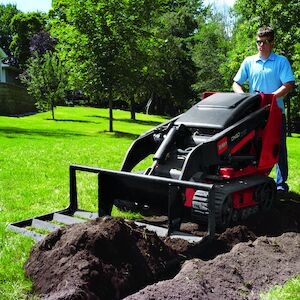
2. Understand Toro Dingo Models and Specifications
Familiarize yourself with the different Toro Dingo models available and their specifications. Key factors to consider include:
Model: Toro Dingo offers various models, including the TX 427, TX 525, TX 1000, and TXL 2000. Each model differs in engine type, horsepower, lifting capacity, and other features.
Engine Type: Dingo models come with gas, diesel, and electric engine options. Consider factors such as fuel efficiency, power output, and emissions when choosing the engine type.
Operating Capacity: The operating capacity of a Toro Dingo refers to the maximum weight it can lift and carry safely. Choose a model with a sufficient operating capacity to handle your intended tasks.
Size and Maneuverability: Evaluate the size and maneuverability of different Toro Dingo models to ensure they can navigate your job sites effectively, especially if space is limited.
Attachments Compatibility: Verify that the Toro Dingo model you choose is compatible with the attachments you need for your projects. Ensure compatibility with both current and future attachments you may require.
3. Consider Your Budget and Total Cost of Ownership
Determining your budget and evaluating the total cost of ownership is crucial when purchasing a Toro Dingo. Consider the following cost-related factors:
Initial Purchase Price: Compare the prices of different Toro Dingo models and choose one that fits within your budget constraints. Remember to consider both new and used options.
Total Cost of Ownership: Evaluate the total cost of ownership, including maintenance, fuel, attachments, and potential financing costs. Opt for a Toro Dingo model that offers the best value over its lifetime.
Financing Options: Explore financing options offered by Toro dealerships or third-party lenders to make the purchase more affordable. Compare interest rates, terms, and down payment requirements to find the best financing solution.
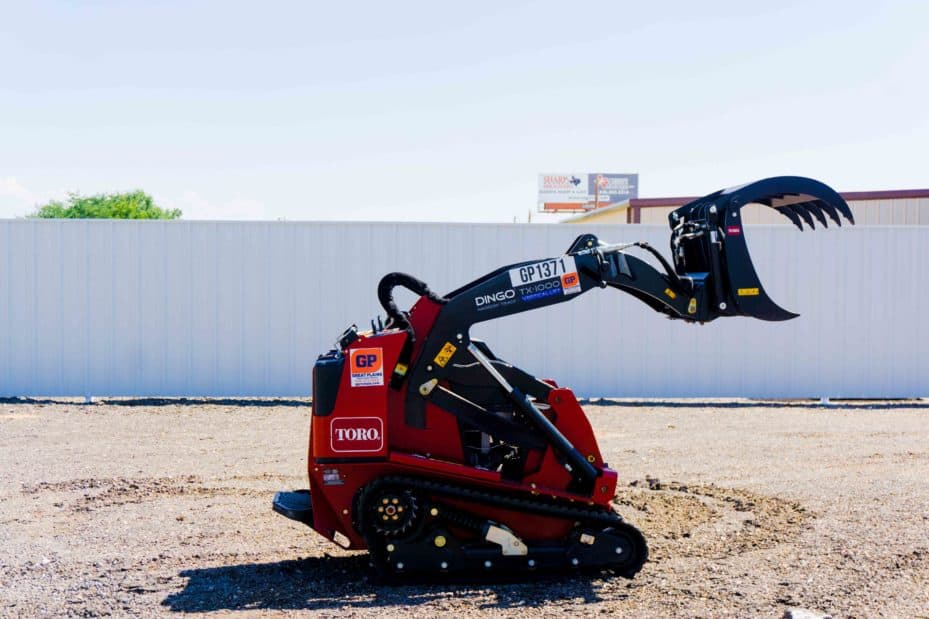
4. Research Dealerships and Warranty Options
Choose a reputable Toro dealership that offers excellent customer service, knowledgeable staff, and reliable support. Consider the following dealership-related factors:
Reputation & Reviews: Research dealership reviews, ratings, and testimonials from past customers to gauge their reputation and reliability.
Location & Accessibility: Choose a dealership that is conveniently located and easily accessible from your job sites for maintenance, repairs, and parts availability.
Warranty Coverage: Review the warranty options offered by Toro dealerships for Toro Dingo models. Ensure that the warranty provides adequate coverage for parts and labor, and inquire about extended warranty options for additional protection.
5. Test Drive and Evaluate Before Purchasing
Before making a final decision, schedule a test drive or demonstration of the Toro Dingo models you are considering. During the test drive, pay attention to the following factors:
Performance: Evaluate the performance, speed, and maneuverability of the Toro Dingo in real-world conditions relevant to your projects.
Comfort & Ergonomics: Assess the operator comfort, visibility, and ease of use of the Dingo, especially if you anticipate long hours of operation.
Attachment Compatibility: Test the compatibility and functionality of different attachments with the Toro Dingo to ensure smooth operation and optimal performance.
Conclusion
Investing in a Toro Dingo is a significant decision that can have a profound impact on your productivity and efficiency in outdoor projects. By following this complete buying guide and considering essential tips for finding the perfect model, you can make an informed purchase decision that meets your project needs, budget constraints, and long-term goals.
Take the time to assess your project requirements, understand Toro Dingo models and specifications, evaluate your budget and total cost of ownership, research dealership options, and test drive different models before making your final choice. With careful consideration and thorough research, you can find the ideal Toro Dingo model that maximizes your productivity and ensures success in your landscaping, construction, or agricultural projects.